
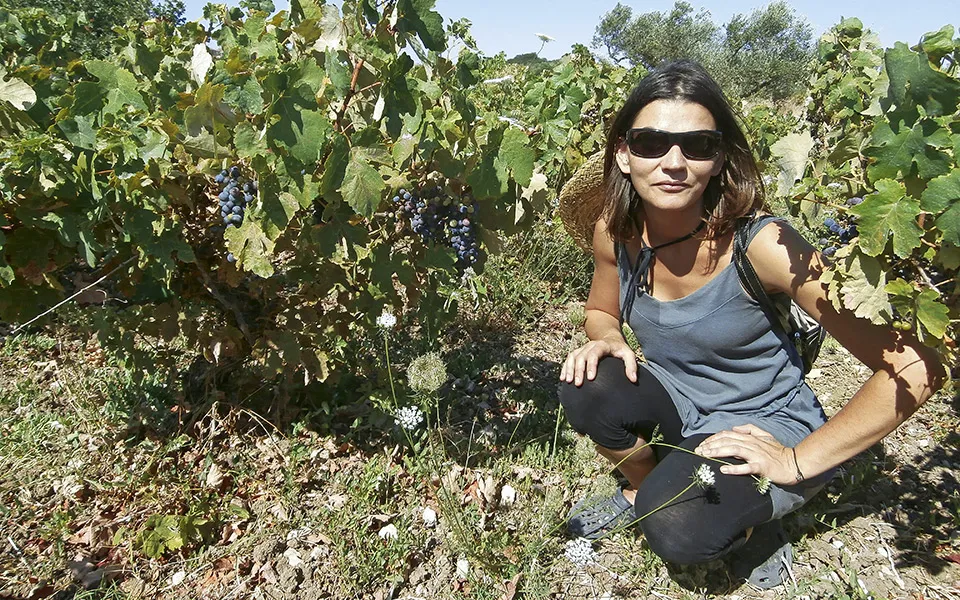
Emerging Greek Terroirs: Falatados, Tinos
I am always thinking of what is next in line for Greek wine. Greek wine should not be restricted to a place or a variety. Yes, Santorini might be the Queen and Xinomavro in Naoussa or Agiorgitiko in Nemea might be the King, but what about the other Greek indigenous varieties and terroirs?
Which are the constituents of an exceptional terroir, one may wonder. In my view, it is an equation of poor soils, high altitude and steep slopes, especially when it comes to warm mesoclimates. Add to this, extreme weather conditions and voila! a fine wine may be produced.
Subscribe to Continue Reading
This premium blog post is restricted. Subscribe to get access to all blog posts and unlock our complete library of Greek wines, varieties, and expert insights.
- Email updates (1–2 / month)
- Access to free posts
- Special subscription offers
Aficionado
For enthusiasts and trade professionals who want full article access
Subscribe Now- Full access to all subscriber-only posts
- Full access to wine reviews and grape varieties sections
- Executive summaries for major features/reports
- Reliable, focused information on Greek wine, in an international voice
Aficionado Premium
For advanced readers, sommeliers & buyers needing deep documentation
Go Premium- Everything in Aficionado, plus:
- Full access to all Reports (9 to date)
- Access to approximately two new reports per year
- Executive summaries for major features/reports
- Reliable, focused information on Greek wine, in an international voice
Professional
For importers, retailers, restaurants, producers, and trade press
Get Professional- Everything in Aficionado Premium, plus:
- Publication rights for reviews and short tasting notes (up to 50 words)
- Article excerpt rights (up to 120 words, up to 3 excerpts/month)
- Priority support (email) for usage/attribution questions
- Mandatory attribution required with active link where possible
Already have an account?
Sign in here